Wastewater Systems
Our qualified team of professionals are here to help our clients address their wastewater infrastructure needs and assist you throughout the process.
Our qualified team of professionals are here to help our clients address their wastewater infrastructure needs and assist you throughout the process.
Where there is water, there is life, and protecting this most important natural resource is vital. Our Clients understand this, and so do we. Protecting the environment, while helping our Clients address their wastewater infrastructure needs, is our mission as your trusted partner. We strive to balance respect for and stewardship of the environment with society’s ever increasing needs. For these reasons, our professionals believe that wastewater collection, pumping, and treatment infrastructure services are among the most important services that we provide to our Clients.
Our company has extensive experience designing wastewater collection, pumping and treatment facilities for a variety of clients from municipalities, water reclamation districts and industries. With professional experience ranging from planning studies, CSO mitigation, Long Term Control Plans (LTCP’s), and SSES, to the design and construction of collection systems, pumping stations, and complex rehabilitations of existing wastewater treatment facilities, our staff of highly qualified and experienced professionals are ready to assist you as you seek to address your wastewater infrastructure needs.
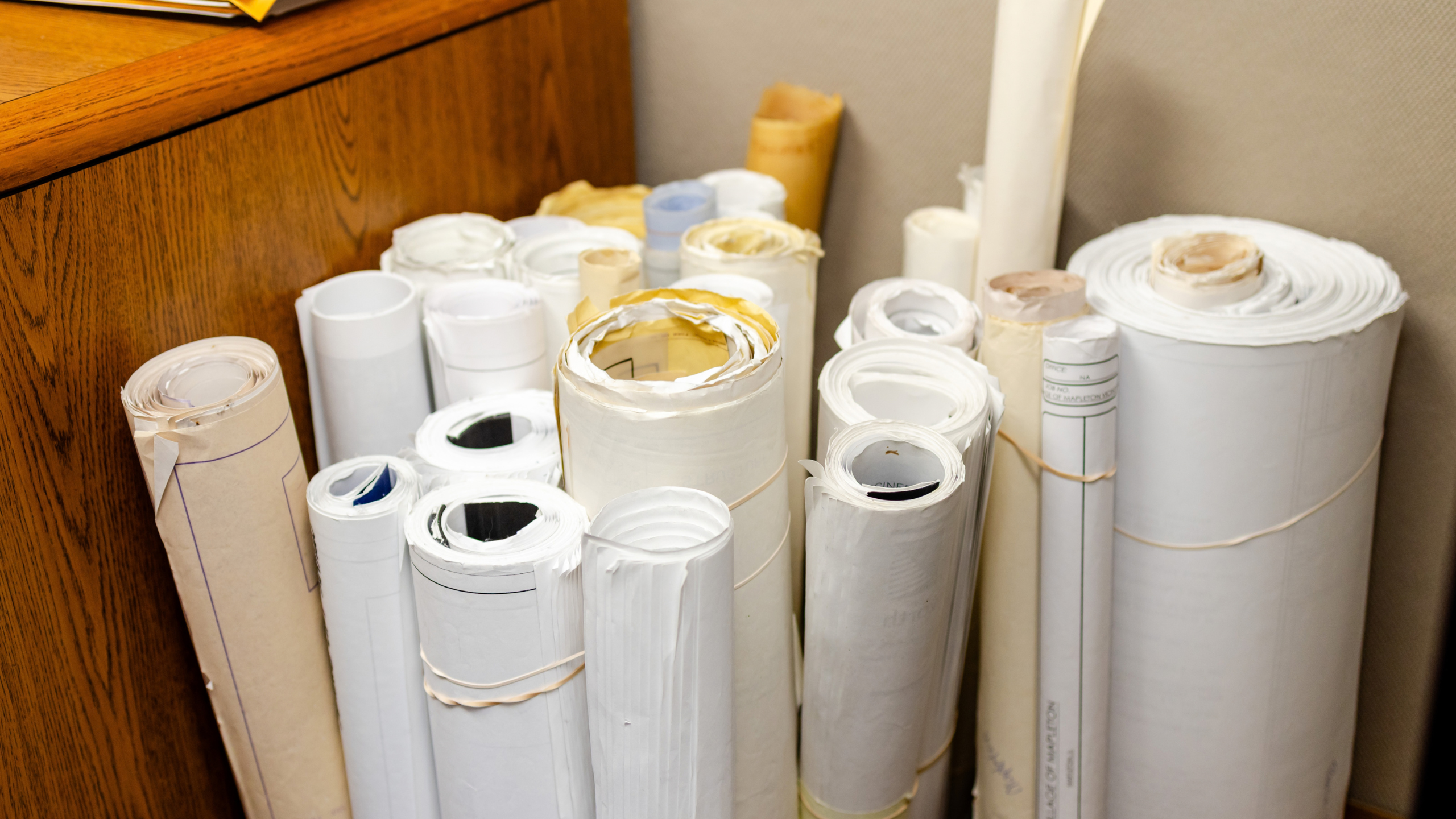
We develop master plans and long-term control plans for municipal wastewater systems to support informed, sustainable decision-making. Our team evaluates flow data, system alternatives, and capacity needs, and performs inspections, monitoring, and hydraulic modeling for sanitary and combined sewer systems. We also assist with funding studies, regulatory coordination, and recommendations to guide future growth and maintain regulatory compliance.
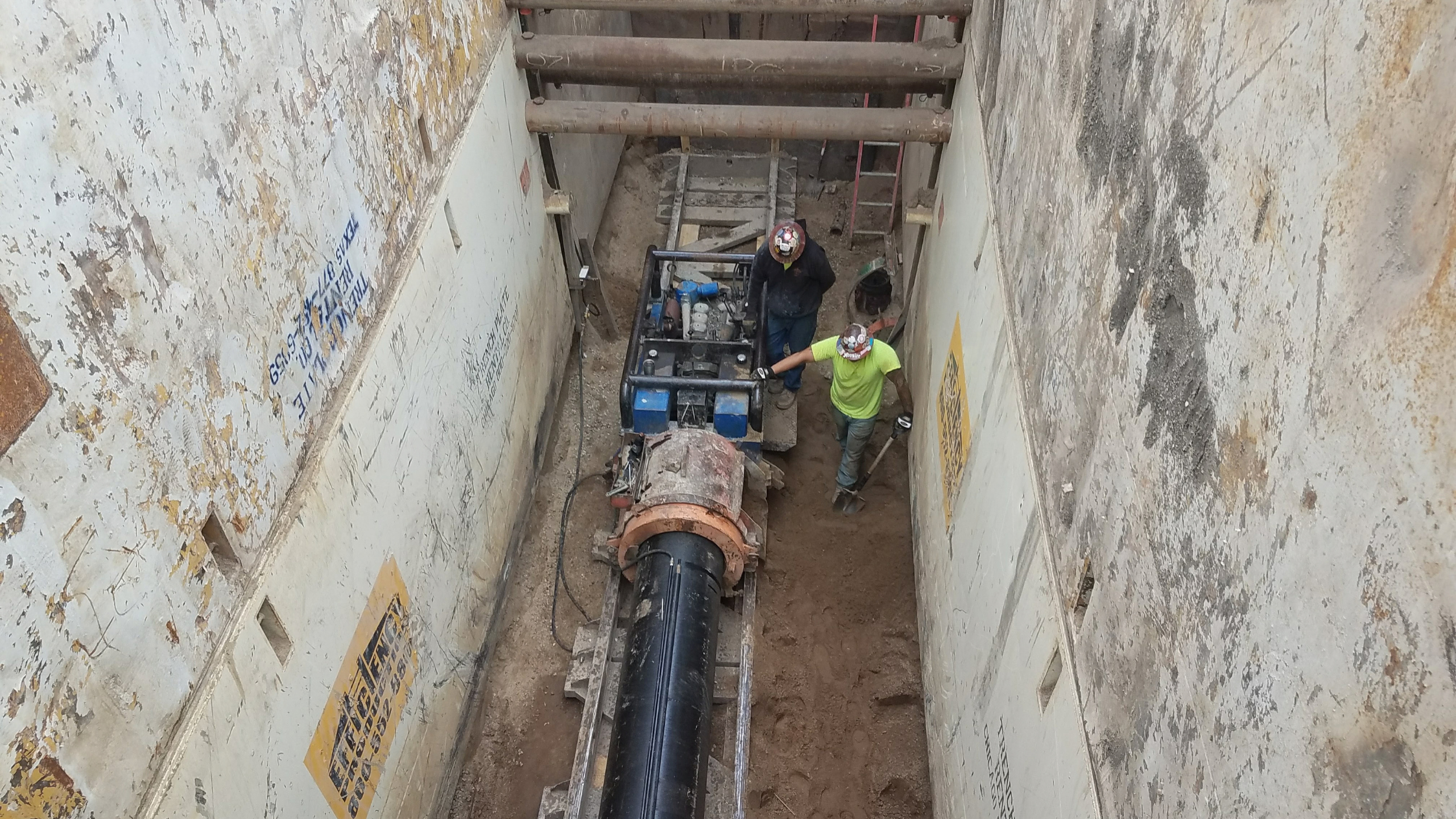
We design gravity sewers, force mains, and collection systems for residential and municipal applications. Our services include rehabilitation of aging sewer infrastructure through inspection, lining, and pipe replacement, along with coordination across utilities, easements, and rights-of-way. We also prepare detailed plans and provide support for both design-build and traditional project delivery methods.
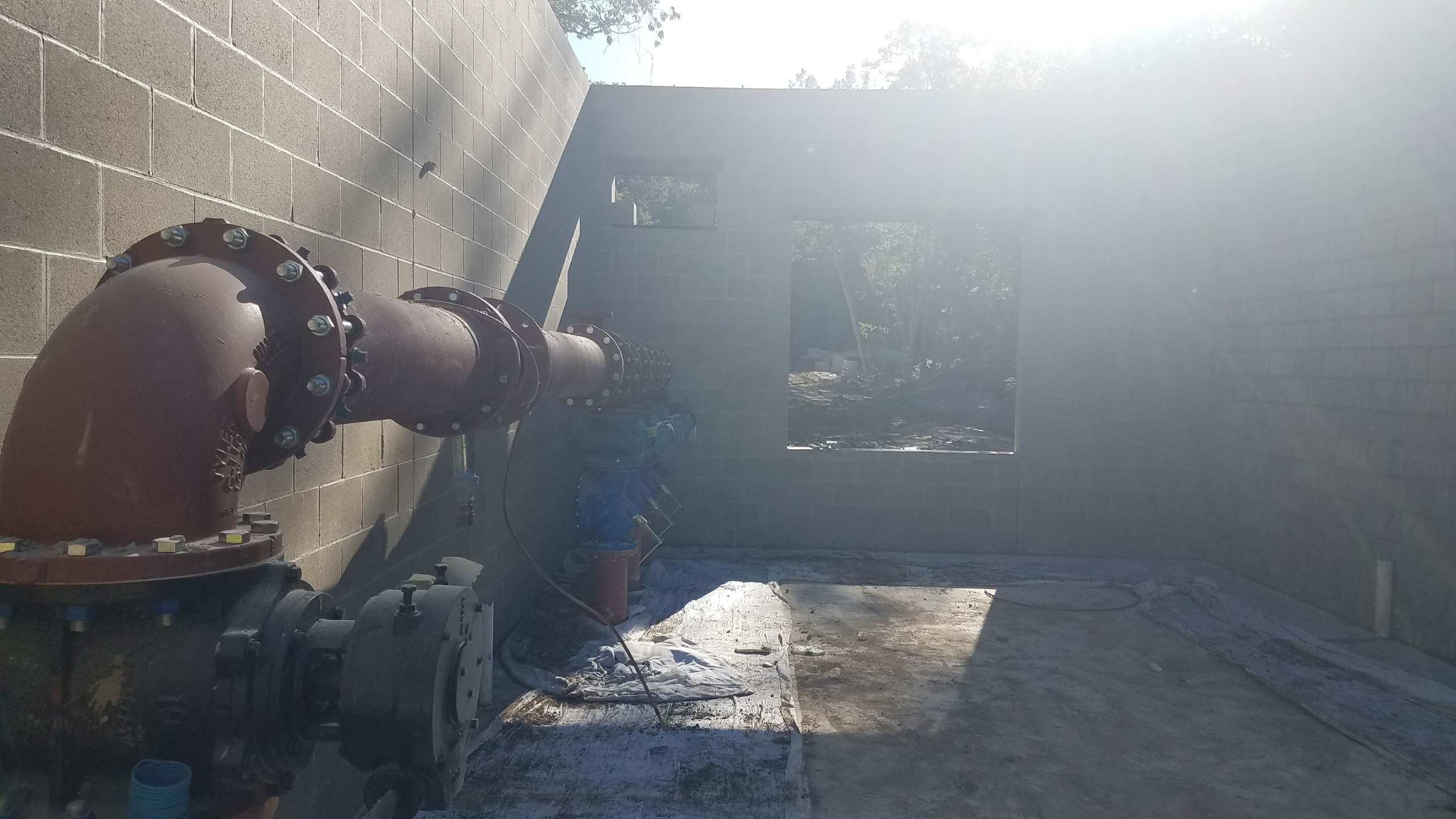
We design sewage lift stations, force mains, control buildings, and access infrastructure to support reliable wastewater conveyance. Our team replaces or consolidates outdated pumping facilities to improve reliability and maintenance efficiency, while developing custom solutions for challenging terrain or regulatory constraints. We provide full-service support from planning and permitting through easement acquisition, construction oversight, and system start-up.
We design full-scale wastewater treatment plants, including screening, biological treatment, clarification, disinfection, and sludge handling systems. Our team also upgrades and retrofits existing facilities to increase capacity and meet modern regulatory requirements, incorporating advanced treatment features such as UV disinfection, flow management, and nutrient removal. Supporting services include site surveying, permitting, bidding assistance, construction administration, and as-built documentation.
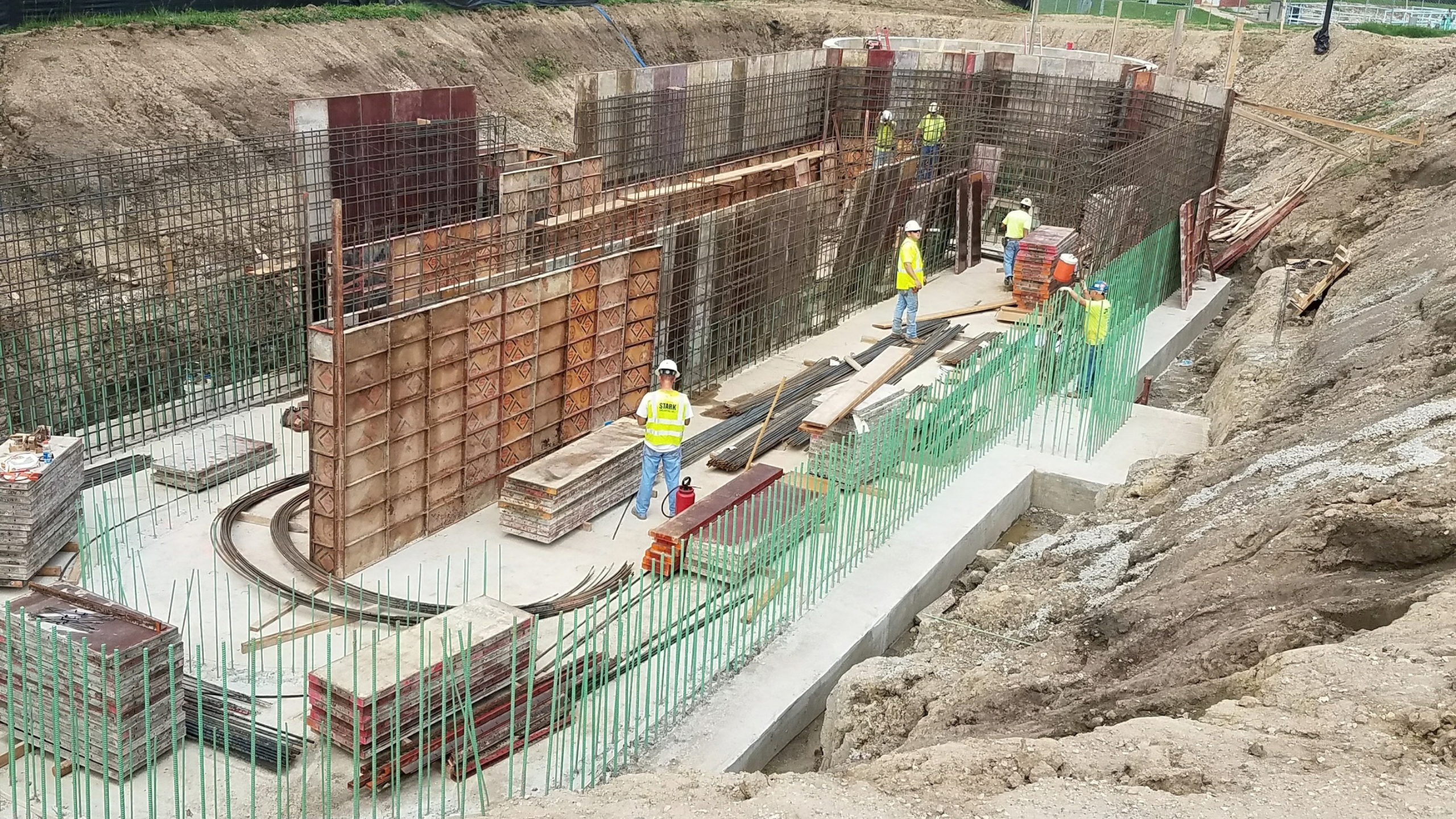
Maurer-Stutz conducted a comprehensive study and analysis of the Village of Hopedale’s wastewater treatment facilities to address IEPA compliance and plan for future growth and regulatory requirements. The study evaluated alternatives to upgrade existing systems, improving hydraulic and biological treatment capacity, operational flexibility, and nutrient removal for NO₃ and P. Recommendations focused on enhancing efficiency, reducing lifecycle costs, and ensuring the facility could meet anticipated future regulations.
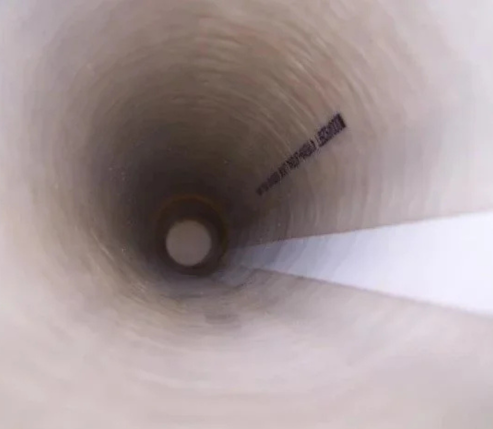
The majority of the sanitary sewers in the City of Marquette Heights are clay pipes dating back to around 1950. The City was experiencing numerous problems with sewer main breaks and joint problems.
In an attempt to repair the deteriorating sanitary sewers and to reduce high levels of infiltration into the sewer system the City implemented a sewer rehabilitation program. The project included preliminary cleaning and TV inspection of 34,500’ of 8” to 18” sanitary sewer, installation of a cured-in-place liner, and cutting out the service taps. Post TV inspection was performed to confirm the integrity of the cured-in-place liner system.
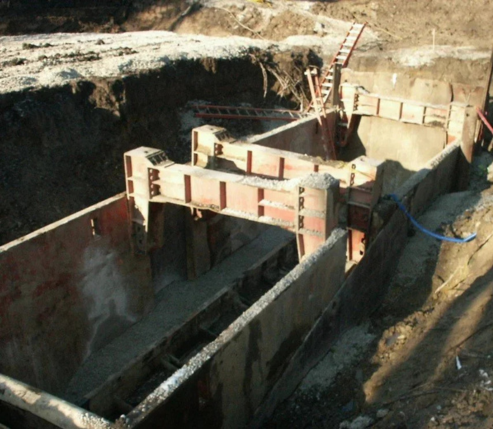
Maurer-Stutz partnered with Wiegand andamp; Storrer to provide design-build services for the Greater Peoria Sanitary District’s first use of this delivery method. The team delivered a comprehensive proposal with firm costs, an accelerated schedule, and workforce profiles, and was selected for its experience in sanitary sewer design and construction. The project provided cost-effective sewer service to areas north and west of Peoria identified in a prior planning study.
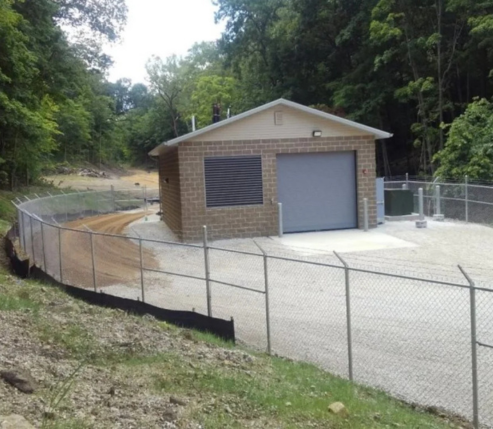
Maurer-Stutz designed a new 1,250 gpm lift station for the Village of Creve Coeur, consolidating six existing stations, along with 6,600 ft of gravity sewer and 5,800 ft of force main. Services included design, permitting, easement preparation and negotiation, bidding support, construction administration and observation, and loan assistance, addressing challenges posed by steep terrain and reducing maintenance issues and sewer overflows.
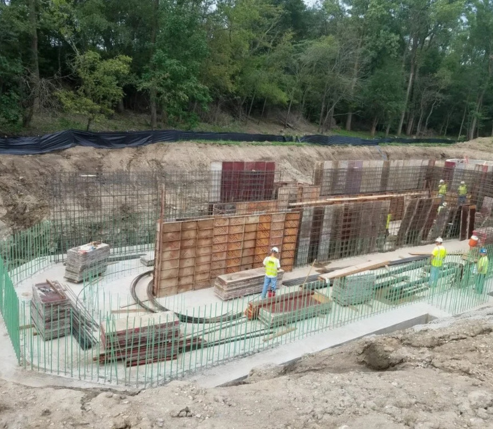
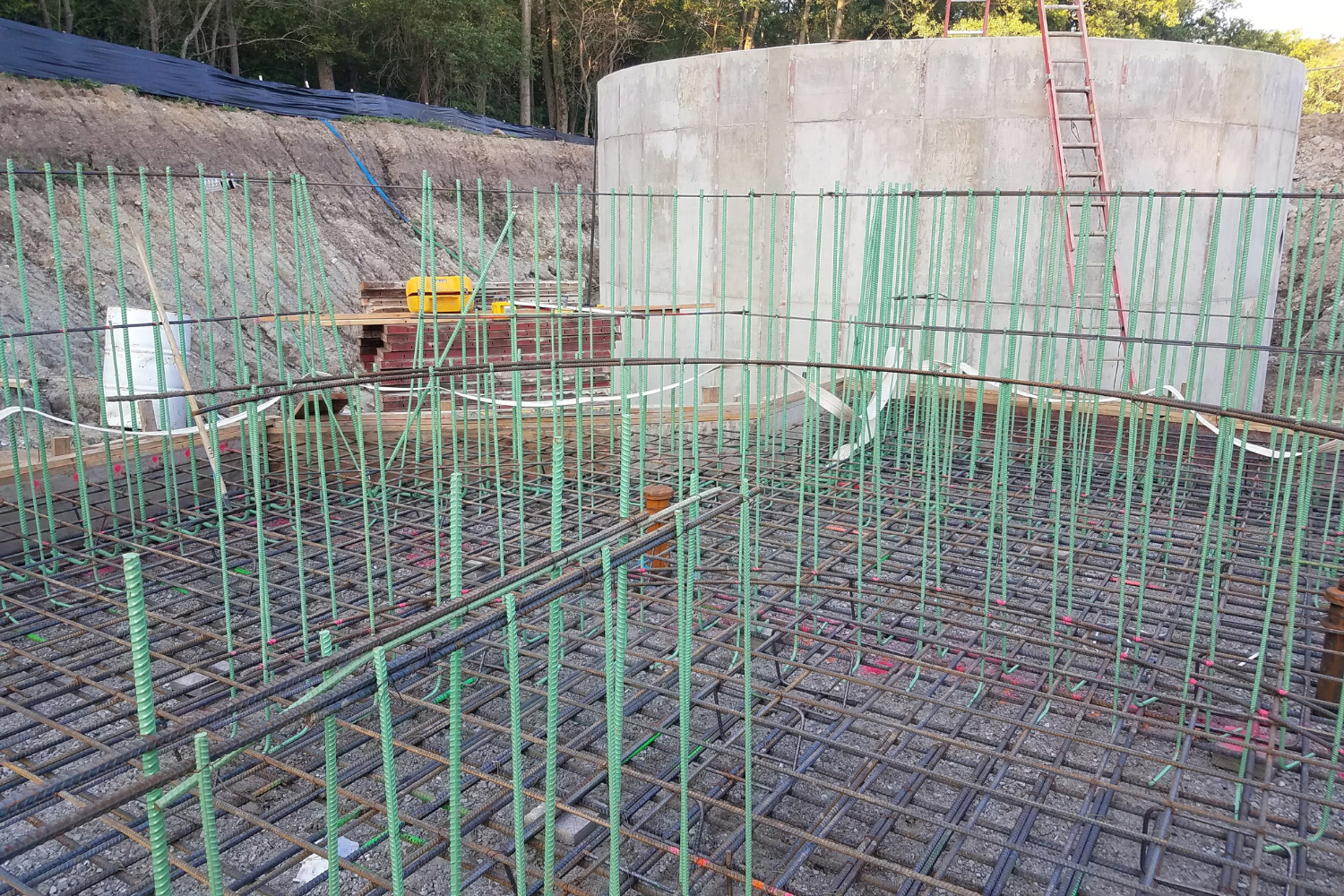
Maurer-Stutz provided design and engineering services to upgrade the Village of Hopedale’s wastewater treatment plant, including new and enhanced treatment processes, pumping, aeration, drying beds, and standby power, all within the existing site. Services also included site surveys, permitting, bidding support, construction administration and observation, and loan assistance.
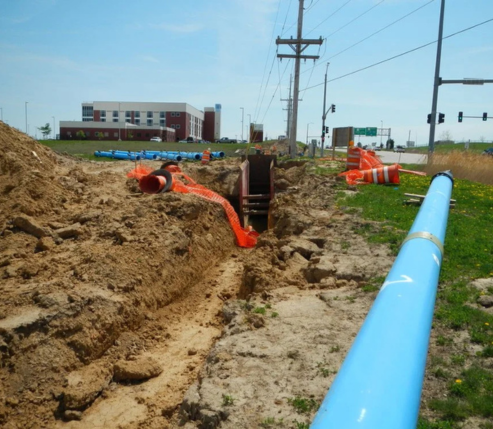
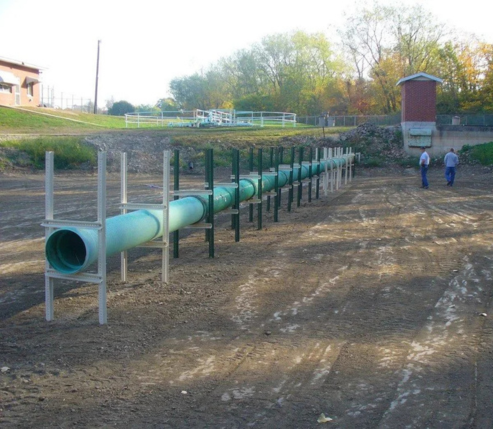
A roadway widening project by the Illinois Department of Transportation (IDOT) has necessitated the relocation of a sewage force main that runs along Allen Road in Peoria. A less than desirable service history of the existing force main only reinforced the District’s decision to relocate their sewer.
Early coordination with other utility companies and IDOT was required to keep the project moving forward. Easements for the proposed sewage force main alignment were developed and obtained by Maurer-Stutz.