

What is Green Infrastructure?
Green infrastructure is a cost-effective, resilient approach to managing wet weather impacts that provides many community benefits. While single-purpose gray stormwater infrastructure—conventional piped drainage and water treatment systems—is designed to move urban stormwater away from the built environment, green infrastructure reduces and treats stormwater at its source while delivering environmental, social, and economic benefits.

Position Available - Agronomy/Crop Sciences/Agricultural Systems
Maurer-Stutz, Inc. is seeking to fill an entry level position to continue growth of our existing agricultural services team in our Peoria, IL office. The position entails consulting with farmers with a particular emphasis on working with livestock and poultry producers.
The applicant should have, or be working towards, a Bachelor’s of Science in agronomy, crop sciences, agricultural science or related field. Primary activities will include assistance with development of comprehensive nutrient management plans for the application of manure and supplemental fertilizer on various crops along with provisions for proper application and manure management practices.
This position is for a full time employment beginning around May 2016 but could be a summer internship for a student exploring consulting who has interest to consider full-time employment after graduation.
For more information, please visit our website.
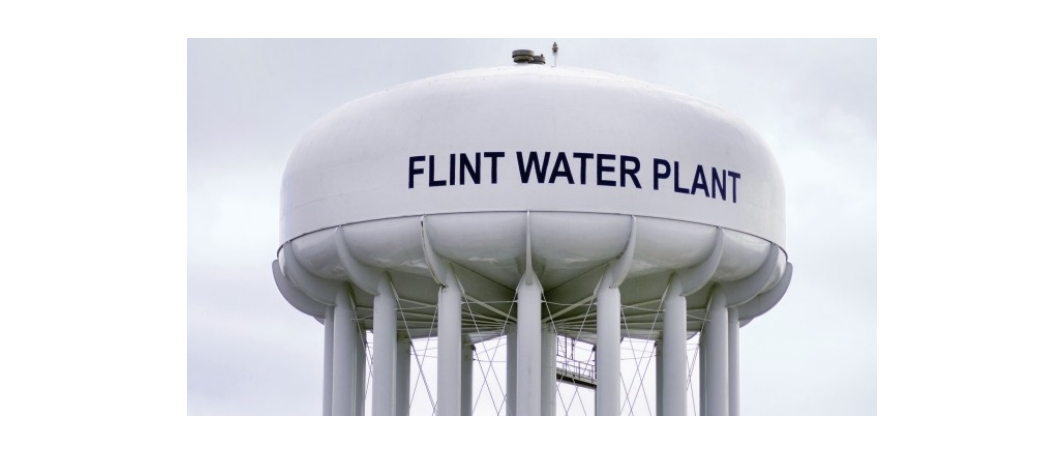
Flint’s Water Crisis Explained
Many Americans take clean drinking water for granted. However, the town of Flint is still reeling from the contamination of its water supply, which exposed thousands of residents to lead-laced water. Time explains how this situation came to be.
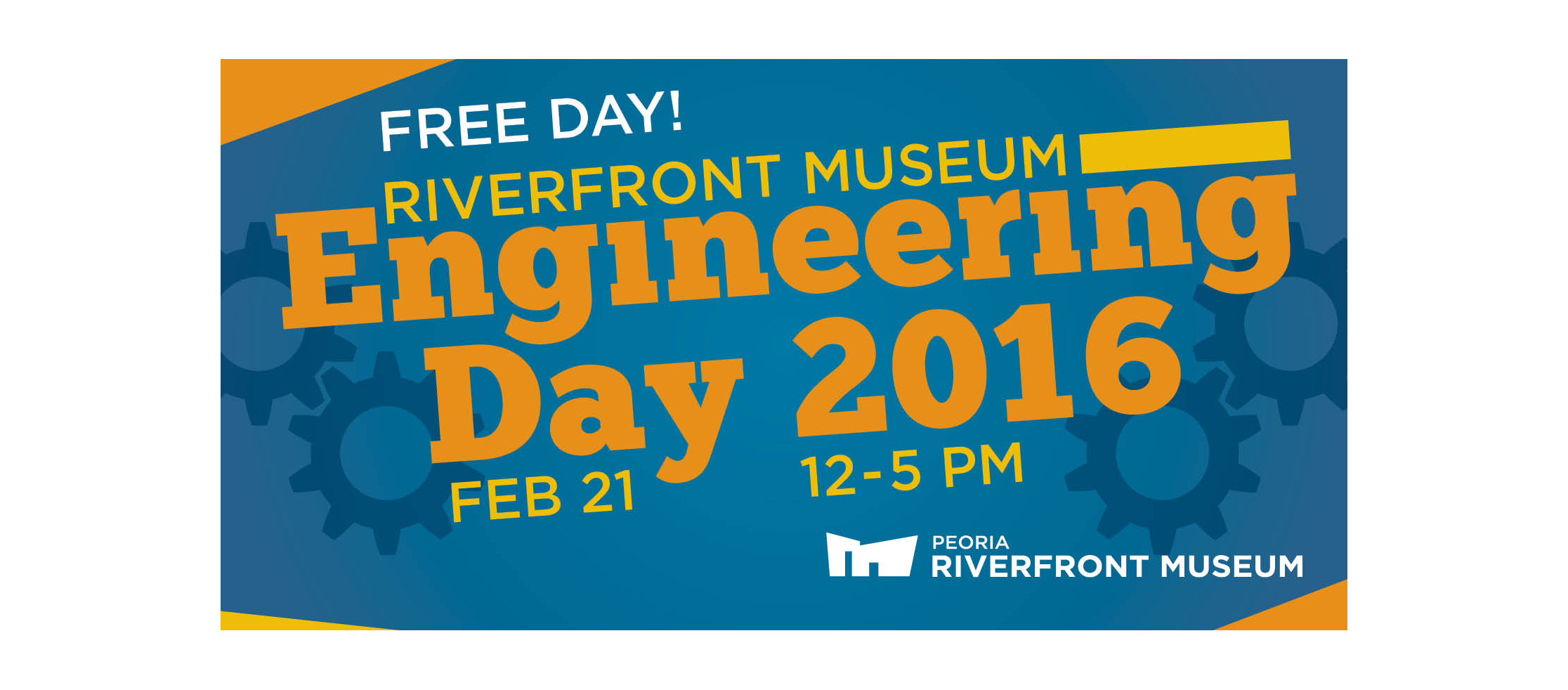
Engineering Day - Sunday - February 21 - Peoria Riverfront Museum
Maurer-Stutz is pleased to continue our sponsorship of the annual Engineering Day at the Peoria Riverfront Museum. This will be a FREE DAY at the Riverfront Museum generously sponsored by local engineering groups. Please come join us on Sunday, February 21, from 12p-5p.
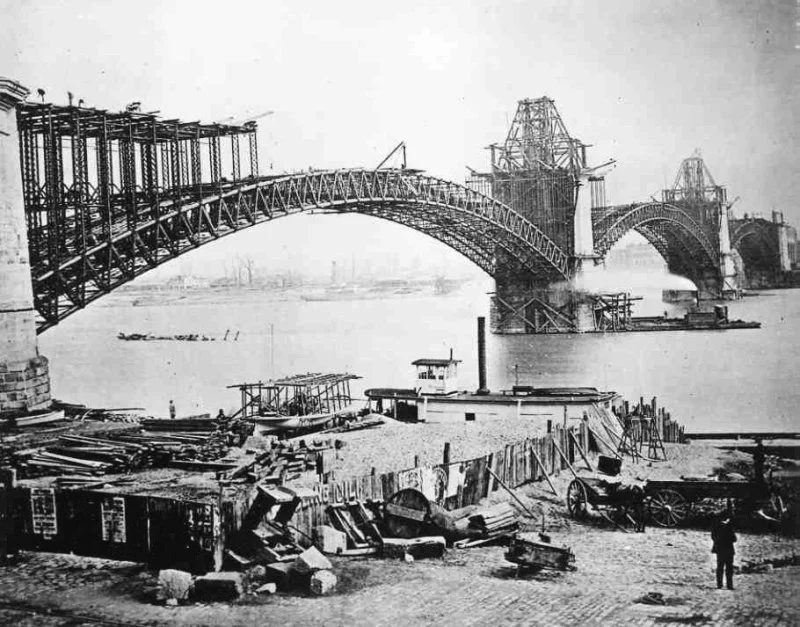
The History of the Eads Bridge
Hear about James Eads and the Historic Eads Bridge, a combined road and railway bridge over the Mississippi River at St. Louis, connecting St. Louis and East St. Louis, Illinois. Eads, a self-taught engineer, completed the bridge in 1874. The Eads Bridge was the longest arch bridge in the world, and its ribbed steel arch spans were considered daring, as was the use of steel as a primary structural material: it was the first such use of true steel in a major bridge project. David Lobbig, Curator of Environmental Life at the Missouri History Museum, will tell us about the bridge and its self-made builder, James Eads.